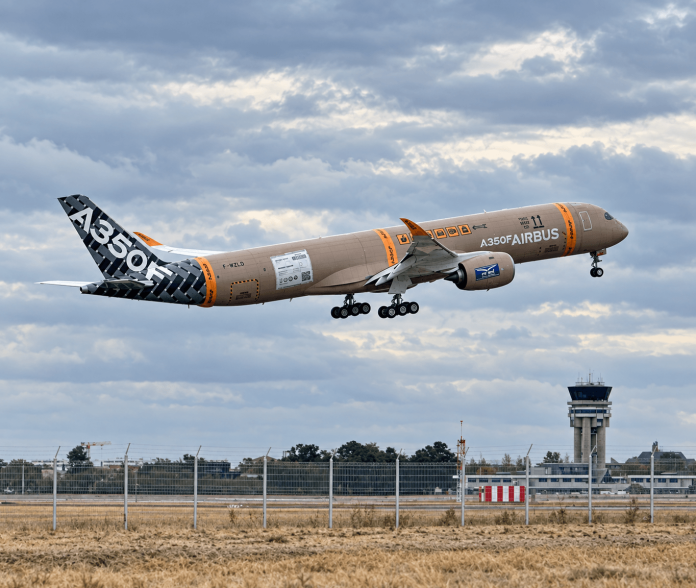
The Airbus A350F first flight took place Tuesday, September 29, 2026, giving Airbus one of the biggest milestones yet in its effort to break deeper into the large widebody freighter market. The first flight-test aircraft, MSN700, departed Toulouse, France, and remained airborne for roughly four hours as Airbus officially began the flight-test phase ahead of certification and planned entry into service in 2027.
This is a much bigger deal for Airbus than simply adding a cargo version of an existing passenger jet. Boeing has controlled a large share of the purpose-built widebody freighter market for decades through aircraft such as the 747, 767 and 777F. The A350F gives Airbus a modern aircraft built around the changing needs of cargo operators at a time when older freighters are aging out, fuel costs remain a major concern and newer emissions standards are starting to influence future fleet decisions.
Airbus A350F First Flight Starts the Test Program
MSN700 will now be used to gather data on the aircraft’s aerodynamics, systems, structural loads and handling characteristics throughout the certification program. Airbus has said the A350F flight-test campaign will involve about 400 flight hours, with two aircraft expected to participate in the program.
The company is currently targeting certification and first customer deliveries during the second half of 2027. That schedule still leaves months of testing ahead, but Airbus is not starting from scratch. Much of the technology used on the A350F comes from the existing A350 family, including major systems, cockpit design and the overall platform that has already accumulated years of commercial service.
The freighter is not simply a passenger A350 with the seats removed, though. Airbus developed a dedicated fuselage configuration and cargo system for the aircraft while retaining the A350-1000 wing. The design is built around the demands of freight operations, where floor strength, cargo loading, weight distribution and access are just as important as range and fuel burn.
What the A350F Can Carry
The A350F is designed to carry up to 111 metric tonnes of payload and has a maximum range of about 4,700 nautical miles. That places it directly in the long-haul freighter market, where aircraft are expected to move everything from electronics and express packages to machinery, automotive components and aircraft engines.
One of the most noticeable features is the aircraft’s main-deck cargo door. Airbus says the opening is about 4.3 meters wide, making it the largest main-deck cargo door currently offered on a commercial freighter. That extra width allows operators to move oversized freight in and out of the aircraft more easily, which can be especially important on routes where turnaround time and loading flexibility matter.
The cargo door is positioned toward the rear of the fuselage, helping operators manage the aircraft’s center of gravity during loading. Airbus also designed the main deck around existing industry-standard pallets and containers, which means cargo operators should not have to completely rethink the equipment and procedures already used across their networks.
Powered by the Trent XWB-97
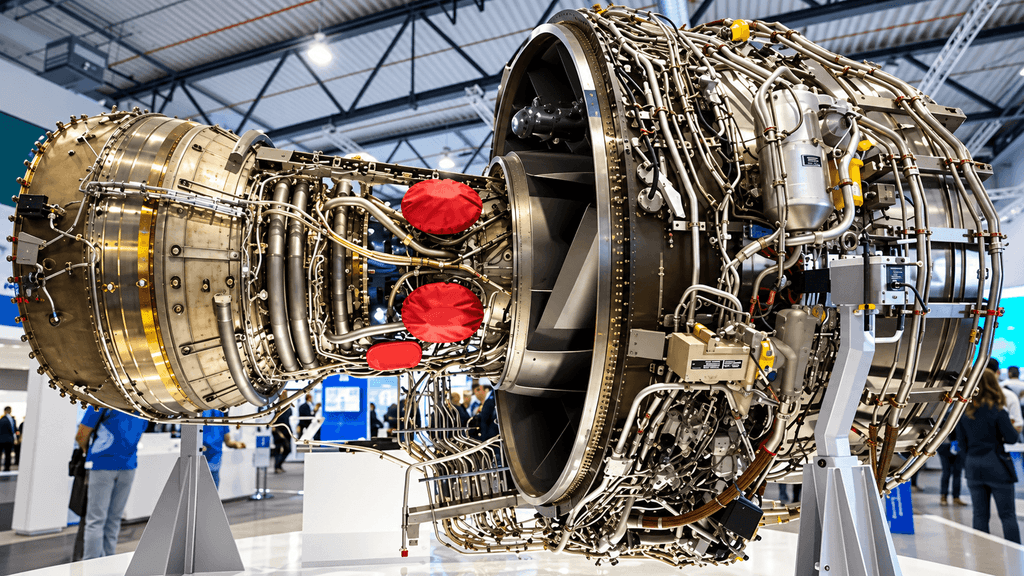
The A350F uses Rolls-Royce Trent XWB-97 engines, the same engine family found on the A350-1000. Airbus is also relying heavily on the A350 platform’s use of composite materials, titanium and other lightweight materials to improve efficiency compared with older freighter designs.
More than 70 percent of the airframe is made from advanced materials, which helps reduce overall weight while improving fuel efficiency. Airbus has repeatedly pointed to this as one of the major advantages of the A350F, especially for operators flying long sectors where even relatively small differences in fuel burn can add up quickly over the life of an aircraft.
Cargo airlines tend to operate aircraft hard, often keeping them in service for long hours across international routes. Because of that, fuel consumption, maintenance costs and payload capability can have a much larger financial impact than they might appear to on a basic specification sheet. Airbus is clearly betting that the A350F’s lower weight and newer technology will make those numbers attractive to operators over the long term.
Airbus Is Going After a Market Boeing Has Long Controlled
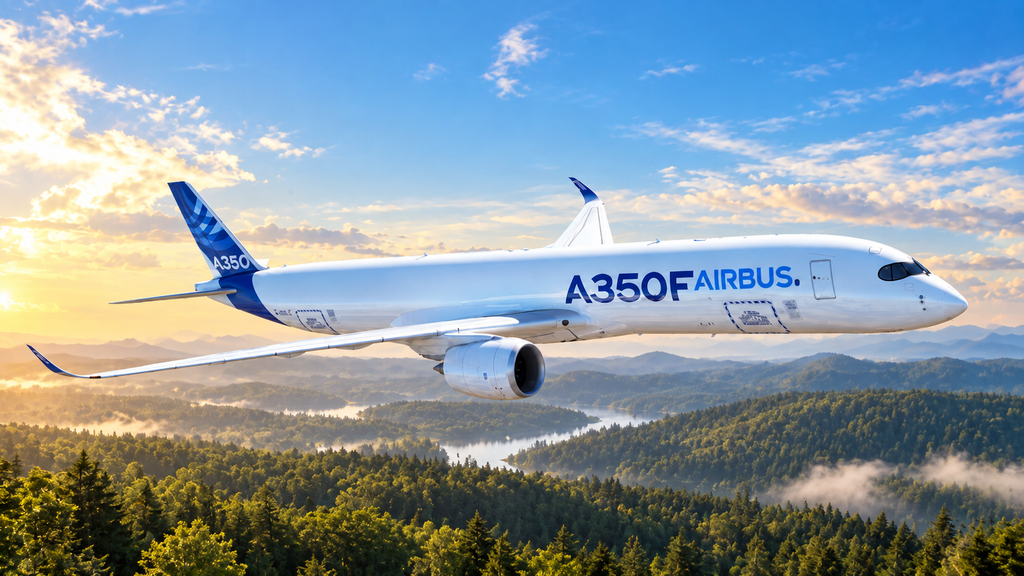
The larger story behind the A350F is the competition it creates in a market Boeing has dominated for years. The 747 built much of its reputation around cargo, and the 777F has become one of the most important long-haul freighters currently in service. Boeing is now developing the 777-8 Freighter as the next major step in that lineup.
Airbus has tried to establish itself in dedicated freighters before, but it has never held the same position Boeing has enjoyed. The A350F may be its strongest opportunity yet because it arrives with a proven passenger-aircraft platform behind it and a growing list of customers willing to commit before the aircraft even enters service.
By the time of its first flight, the A350F had reached 115 firm orders. Those orders include major names across global cargo operations, with Atlas Air placing an order for 20 aircraft earlier this year and becoming the largest customer for the type.
Other customers include Cathay Cargo, Singapore Airlines, Etihad, Korean Air, Air France, Turkish Airlines, Air China Cargo, Silk Way West Airlines and several leasing companies. That customer list gives Airbus a stronger starting point than it has had with previous freighter efforts and shows that operators are willing to bet on the aircraft before the certification program is complete.
A350F Versus Boeing 777-8 Freighter
The Airbus A350F and Boeing 777-8 Freighter are likely to become two of the most important new cargo aircraft entering service over the next several years. Both are aimed at airlines looking for large payload capacity and long-range performance, but the manufacturers are taking somewhat different approaches.
Airbus is emphasizing lower weight, composite construction and efficiency, while Boeing is building on the size, cargo experience and established operator base of the 777 family. The A350F is rated for 111 tonnes of payload and about 4,700 nautical miles of range, giving it the ability to handle many of the long-haul missions flown today by older widebody freighters.
For operators, the final decision will probably come down to much more than maximum payload or range. Fuel burn, maintenance costs, acquisition price, fleet commonality, delivery availability and reliability will all matter. An airline already operating A350 passenger aircraft may see obvious advantages in keeping training and maintenance within the same aircraft family, while a large Boeing operator may reach a very different conclusion.
That is why this competition will likely take years to fully play out. The more important question right now is whether Airbus can turn its early order momentum into reliable deliveries and real-world operating performance once the A350F enters service.
Why the Timing Matters
The A350F is arriving at a time when the cargo market is beginning another major fleet transition. Many older 747s, 767s, converted passenger aircraft and eventually early-generation 777 freighters will need replacements as maintenance costs rise and operators look for aircraft that can meet newer efficiency and emissions requirements.
At the same time, global freight networks continue to depend heavily on dedicated cargo aircraft for high-value and time-sensitive shipments. Passenger aircraft can carry significant cargo in their lower holds, but they cannot replace the flexibility or capacity offered by a purpose-built freighter on many long-haul routes.
That gives Airbus a real opening. The company does not need to replace every Boeing freighter in service to make the A350F successful. It simply needs to capture a meaningful share of future fleet replacement and expansion orders, and the current order book suggests several major operators are already willing to give it that opportunity.
What Happens Next for the A350F
The Airbus A350F first flight is only the beginning of the certification process. Over the coming months, Airbus will use its test aircraft to work through hundreds of hours of flying while engineers validate performance, systems, handling and the cargo-specific changes built into the airframe.
The company is also expected to work closely with cargo operators during the testing process, including evaluating pallets, containers and loading procedures that will eventually be used in daily service. That kind of operational testing can uncover issues that are difficult to identify on the ground before an aircraft begins flying real cargo schedules.
If Airbus stays on schedule, the first A350Fs should begin reaching customers in the second half of 2027. From there, the focus will quickly shift from test flights and manufacturer claims to the numbers operators care about most: reliability, fuel burn, maintenance costs, payload and how much money the aircraft can make over thousands of hours of service.
For the first time in years, Airbus appears to have a purpose-built freighter with enough customer support and technical capability to seriously challenge Boeing in one of aviation’s most established markets. The aircraft is finally in the air, and the next year should give a much clearer picture of whether the A350F can turn early momentum into a lasting place in global cargo fleets.
FAQ
The Airbus A350F is the freighter version of the A350 family, developed specifically for long-haul cargo operations. It uses much of the same technology as the passenger A350 while adding a dedicated cargo configuration, reinforced floor structure and a large main-deck cargo door.
The Airbus A350F first flight took place on September 29, 2026, when test aircraft MSN700 departed Toulouse, France. The flight marked the beginning of the aircraft’s formal flight-test and certification campaign.
The Airbus A350F is designed to carry up to 111 metric tonnes of payload. That places it firmly in the large widebody freighter category for long-haul cargo operations.
The A350F has a maximum range of about 4,700 nautical miles, depending on payload and operating conditions. That gives cargo operators the ability to fly many major intercontinental freight routes nonstop.
The Airbus A350F focuses heavily on lower weight, composite construction and fuel efficiency, while the Boeing 777-8 Freighter is built around the larger 777X platform and Boeing’s long history in dedicated cargo aircraft. In real-world service, airlines will likely compare fuel burn, payload, range, maintenance costs, fleet commonality and delivery availability rather than looking at a single specification.
Related Aviation Coverage
For more aircraft news and in-depth aviation coverage, check out our latest reviews and industry updates from Elite Ace Aviation:
- HondaJet Echelon Review: Everything We Know About Honda’s Next Business Jet
- Gulfstream G800 Review: Range, Cabin, Performance and Price
- Bombardier Global 8000 Review: Range, Speed, Cabin and Performance