
UPDATE: OCTOBER 23, 2026 | SIM UPDATE 7.1 RELEASED
Microsoft has released Sim Update 7.1, but the latest patch does not specifically address the ground stuttering and performance problems discussed in our MSFS 2024 Sim Update 7 coverage. The release notes focus on a flight-model drag correction, air racing fixes, and developer improvements, with no confirmed resolution for the performance issues affecting some business jets since Sim Update 6.
MSFS 2024 Sim Update 7 arrived on October 13, 2026, bringing another round of stability improvements, aircraft fixes, and updates to Microsoft Flight Simulator 2024. While the release addresses a number of technical problems, one issue continues to stand out for me: performance. After experiencing noticeably more stuttering with Sim Update 6, particularly when operating business jets on the ground, I was hoping this latest release would bring some of that lost smoothness back. Unfortunately, that doesn’t appear to be the case.
Sim Update 6 Was a Step Backward in Performance
When Microsoft released Sim Update 6, I expected the simulator to continue improving. Previous updates had made progress in several areas, and Microsoft was continuing to refine the platform’s graphics, aircraft systems, and overall performance. Instead, I noticed that the simulator seemed to run worse than it had before the update.
The difference was most apparent when flying various business jets, especially during ground operations. Stutters became more noticeable, and the overall experience wasn’t nearly as smooth as it had been with the previous version. These weren’t necessarily massive frame rate drops, but rather those brief interruptions that make taxiing around an airport feel less fluid than it should.
Anyone who spends much time flying complex business jets in MSFS 2024 knows how demanding they can be. Between detailed avionics, complex aircraft systems, and the amount of scenery being rendered around large airports, there is already plenty for the simulator to process. But when an update appears to make performance worse under conditions that previously worked reasonably well, it becomes difficult to ignore.
Did MSFS 2024 Sim Update 7 Fix the Stuttering?
After moving to Sim Update 7, I haven’t noticed the improvement I was hoping for. The performance issues that became more apparent with Sim Update 6 still seem to be present, particularly with business jets operating around airports.
Microsoft does list several performance-related changes in the official release notes. One improvement involves the rendering performance of HTML and JavaScript canvas instruments, which can be used in aircraft cockpit displays. The update also fixes a memory leak involving visual transitions that could cause visual degradation during longer flights.
Both are worthwhile improvements, but neither is presented as a comprehensive solution for the stuttering some users experience on the ground. That’s an important distinction, because fixing a specific rendering issue doesn’t necessarily translate into noticeably smoother performance across the entire simulator.
Of course, performance can vary considerably depending on hardware, graphics settings, scenery, and aircraft add-ons. My experience is not a controlled benchmark, and other users may see different results. Still, based on what I’ve experienced so far, Sim Update 7 hasn’t restored the level of smoothness I enjoyed before Sim Update 6.
What Else Changed in Sim Update 7?
Although performance remains my biggest concern, Sim Update 7 includes a lengthy list of fixes and improvements across Microsoft Flight Simulator 2024. Several stability issues have been addressed, including potential crashes involving aircraft with more than 10 flap states and problems with the aircraft selection menu. Microsoft also corrected issues involving airport selection on the world map, certain controller icons, and other simulator interface functions.
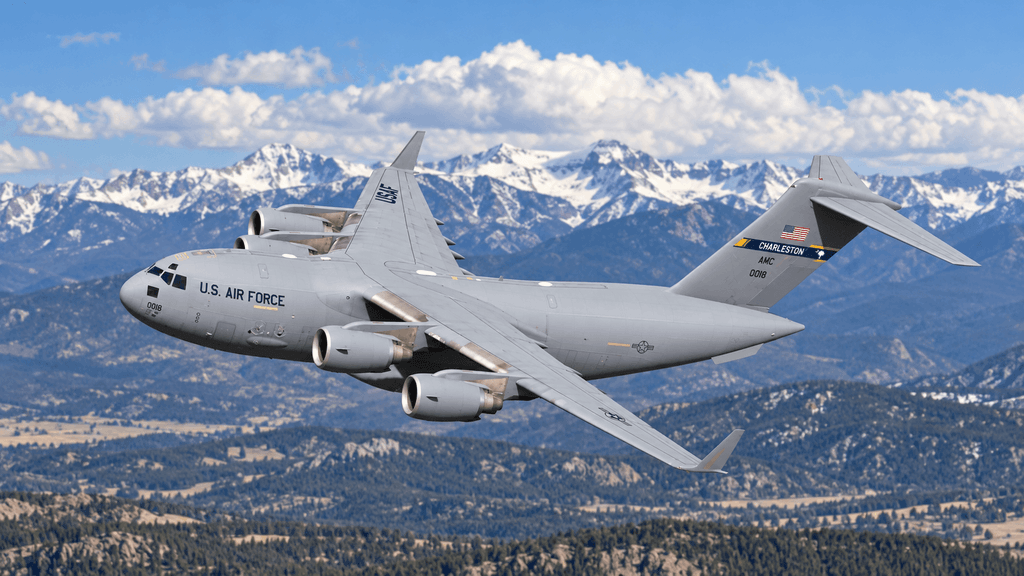
Individual aircraft received attention as well. The Boeing 737 MAX 8 has a correction involving lateral flight-path calculations at certain flyover waypoints, while the C-17 Globemaster III received additional flight-control and systems improvements. Numerous other aircraft have fixes ranging from cockpit functionality to flight-model behavior.
One of the more noticeable additions is National Championship Air Races, which introduces a different kind of flying experience to MSFS 2024. The racing expansion is available through the simulator’s Activities menu, offering something beyond the traditional cross-country flights, airline operations, and general aviation flying most users are familiar with. There is meaningful work represented in this update. The question for those of us dealing with performance problems is whether these improvements make enough of a difference during the flights we actually enjoy.
The Frustrating Cycle of Microsoft Flight Simulator Updates
One thing I’ve noticed over the years is how Microsoft Flight Simulator can take a step forward in one area while seemingly taking a step backward somewhere else. An update fixes something that has been bothering users, only for another problem to appear, sometimes involving an issue that had previously been improved.
It’s a frustrating cycle, particularly with MSFS 2024. Microsoft and Asobo are constantly working to improve an incredibly complicated piece of software, but there are times when the changes leave you wondering whether the simulator was actually running better a few months earlier. To be fair, we’re dealing with software that attempts to recreate virtually the entire planet while simultaneously simulating weather, aircraft systems, air traffic, and detailed airport environments. That is an enormous technical undertaking, and there are countless variables that can influence performance.
But that complexity doesn’t change what users experience. If your favorite aircraft ran smoothly before an update and suddenly develops stutters afterward, you naturally want to know what changed. More importantly, you want to see it corrected without having to sacrifice other features or spend hours adjusting settings. For me, that’s where Microsoft needs to place more emphasis. New features and additional aircraft are always welcome, but consistent performance from one update to the next is just as important.
Could Third-Party Aircraft and Add-Ons Be Contributing?
It’s worth mentioning that Microsoft continues to warn PC users about outdated packages in the Community Folder. Some third-party aircraft, scenery packages, and other modifications can create compatibility or performance problems following a simulator update. If you’re experiencing unusual stutters or stability issues, temporarily removing Community Folder add-ons is a reasonable troubleshooting step. Comparing a default aircraft against a more demanding third-party business jet at the same airport may also help narrow down where the problem is occurring.
However, I don’t think it’s fair to automatically blame third-party developers whenever performance declines after a simulator update. There are simply too many variables involved to make that determination without proper testing. Ideally, future updates will provide better consistency across both default aircraft and the complex add-ons that have become such an important part of the flight simulation community.
We’ve Come an Incredible Distance Since Flight Simulator 95
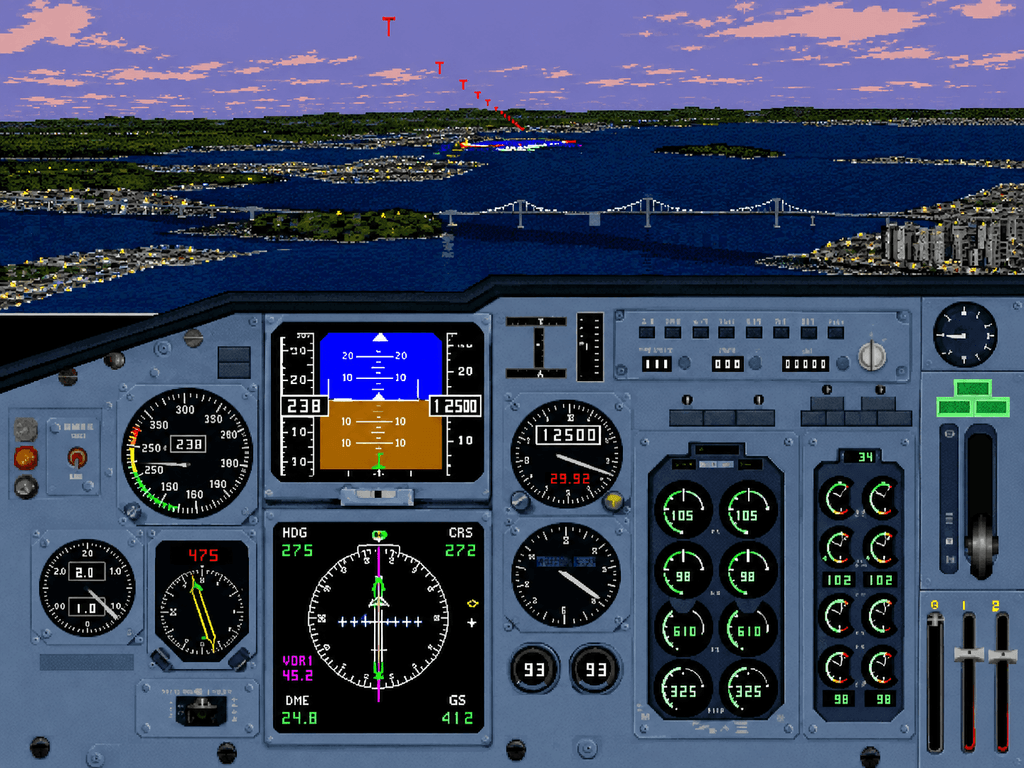
Despite these frustrations, I still find myself amazed by what Microsoft Flight Simulator has become. I remember playing Microsoft Flight Simulator 95 and thinking it was incredible. Looking back at those graphics and comparing them with what we have today is almost hard to believe. The younger version of me sitting in front of that computer could never have imagined that one day we’d be flying highly detailed aircraft over a remarkably realistic representation of the entire world.
Today, I can climb into a business jet, program a flight through a sophisticated flight management system, depart through realistic weather, and fly across the country while looking down at scenery that would have seemed impossible thirty years ago. Even after spending countless hours in the simulator, there are moments when the experience is still impressive.
That’s what makes the performance issues frustrating. The foundation is already there for an extraordinary product, and when MSFS 2024 is running well, there really isn’t anything else quite like it. I just wish we could get through a few updates without feeling like we’re trading one improvement for another problem.
Final Thoughts on MSFS 2024 Sim Update 7
Sim Update 7 brings some welcome fixes and additional content, but from my experience, it hasn’t addressed the stuttering and reduced performance that became noticeable with Sim Update 6.
I’ll continue flying and watching how the simulator develops, because even with its problems, MSFS 2024 offers an experience I wouldn’t have believed possible when I first started playing Flight Simulator 95. At this point, though, I’d be perfectly happy with an update that didn’t introduce anything new and simply made the flying experience smoother and more consistent.
Sometimes that’s all we really need.