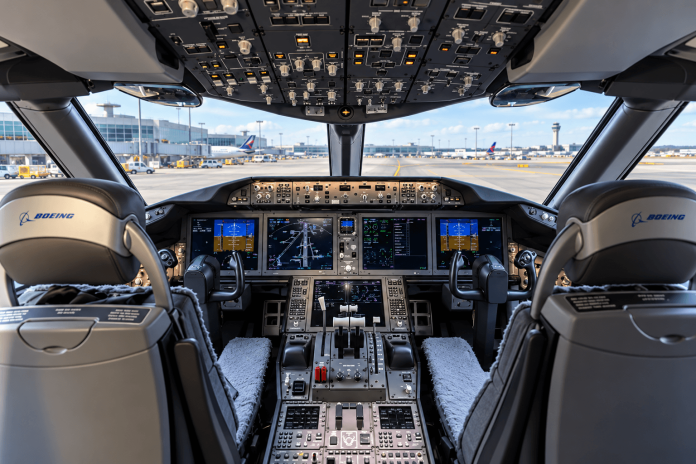
The FAA has withdrawn a proposed Boeing 787 radio software fix after determining that the update does not correct a problem causing cockpit communication frequencies to change without pilot input. The decision follows reports from airline operators that continued experiencing the issue even after installing the software intended to resolve it.
The withdrawal, published October 14 in the Federal Register, affects a proposed airworthiness directive for certain Boeing 787-8, 787-9, and 787-10 aircraft. The FAA had planned to require updates to the aircraft’s tuning control panel software along with a configuration check. Boeing is now conducting further analysis to determine why the problem continues. This marks the second time since 2021 that the FAA has withdrawn a proposed software correction for the same issue.
Why the Boeing 787 Radio Problem Matters
The issue involves the aircraft’s tuning control panel, which allows pilots to select and manage VHF communication frequencies. According to the FAA, frequencies have unexpectedly transferred between the active and standby selections without any action from the flight crew. During a flight, pilots routinely switch frequencies as they move between air traffic control sectors. If an unintended change occurs without the crew noticing, they could miss instructions from ATC, including amended clearances or changes to their assigned flight path.
The FAA considers this a potential safety concern because missed communications could lead to a loss of separation between aircraft or contribute to a runway incursion. The agency’s October 14 filing does not identify an accident attributed to the problem.
Qatar Airways Reports Problems After the Software Update
Qatar Airways was among several organizations that submitted comments during the FAA’s rulemaking process. The airline reported that it had already modified all of its affected Boeing 787 aircraft using the May 2024 Boeing service instructions referenced in the proposal. Despite those modifications, Qatar Airways said its flight crews continued encountering similar frequency-switching problems. The airline asked the FAA to review the new reports before making the software update mandatory and confirmed that it had notified Boeing and the component manufacturer.
Boeing also acknowledged that the proposed software did not fully resolve the issue. After reviewing additional reports from the operating fleet, the manufacturer requested that the FAA delay the directive while another software version was being developed. The FAA agreed that the proposed correction was inadequate. It also rejected requests to substitute a later revision of Boeing’s service bulletin because that revision called for installing the same software version.
FAA Previously Withdrew a Similar Fix in 2021
The history of this problem goes back several years. In April 2021, the FAA proposed an airworthiness directive addressing unintended VHF frequency changes on the Boeing 787, but withdrew it that September after learning that the specified software update was ineffective. The agency returned to the issue in February 2025 with another proposed directive based on Boeing’s May 2024 service bulletin. That proposal would have affected an estimated 157 U.S.-registered aircraft and required software updates to the tuning control panels.
The latest withdrawal ends that effort without establishing a replacement requirement. The underlying issue remains under investigation, with Boeing working to determine the cause of the continuing reports.
What Happens Next for Boeing 787 Operators?
The FAA’s decision does not ground the Boeing 787 fleet or remove an existing mandatory software requirement. The February 2025 directive was never finalized, so its proposed changes never became enforceable through that rulemaking. Operators that already installed the update are not being ordered by this withdrawal to remove it. The FAA has also left open the possibility of issuing another proposed directive once Boeing develops an adequate correction.
For now, the regulatory record shows that the attempted software fixes have not fully addressed the reported frequency changes. The next step depends on Boeing identifying the cause and developing a solution that can be demonstrated to work across affected aircraft.